


Healthy Screen Time for Gamers and Streamers

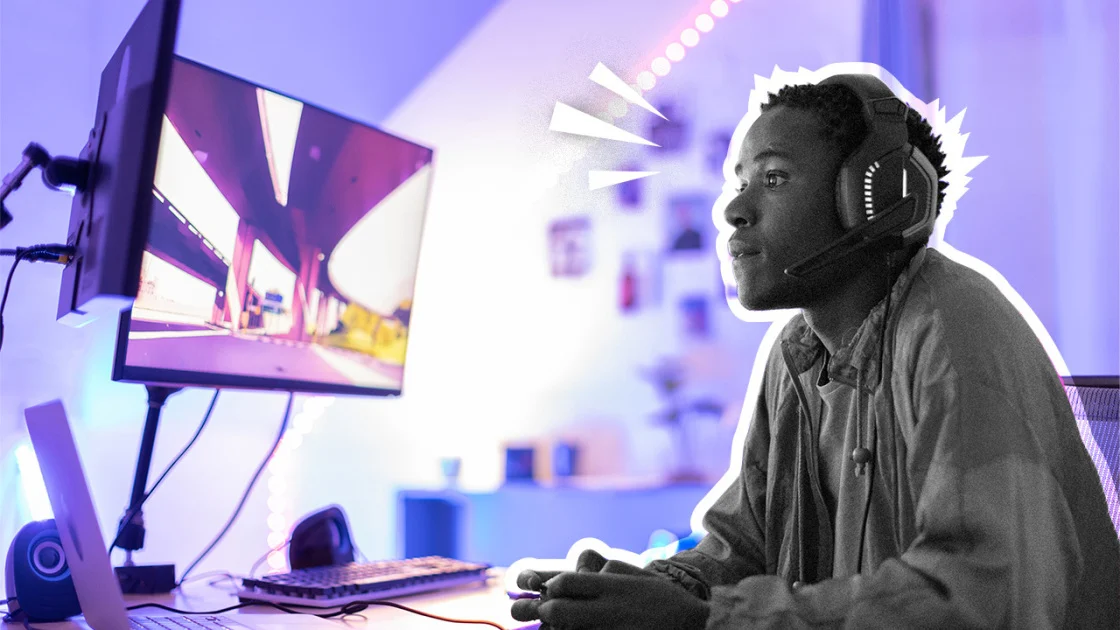
Long sessions of gaming or streaming can affect sleep, comfort, and daily energy, but small adjustments often make a measurable difference. Device settings and habits can reduce eye strain and help you stay more intentional about when and how you use screens, including how you manage saved sites such as https://longfu88.com/my/. The aim is not restriction, but steadier routines that better match your health and tech needs.
Spending hours watching streams, playing games, or following a series is increasingly normal, and it can be hard to notice the effects until you feel tired or uncomfortable. Light exposure late in the evening, prolonged fixed focus, and static posture can all add up over time. A mix of built-in device tools and simple routines can help you reduce strain without changing what you enjoy doing. The most useful approach is to make a few changes, observe what improves, and refine from there.
Why screen-time balance matters for comfort and sleep
Entertainment platforms are designed to keep you engaged, which can make it easy to lose track of time during a gaming session or a show marathon. When screen time stretches late into the night, people often report that it takes longer to fall asleep or that sleep feels less restorative. Extended looking at a bright screen can also contribute to dry, irritated eyes and tension headaches, especially in darker rooms where contrast is higher.
Balance is less about a single “perfect” limit and more about reducing repetitive stressors. The most common culprits are late-night brightness, continuous viewing without breaks, and an ergonomics setup that encourages hunching. Addressing these factors tends to improve how you feel during and after screen-based entertainment.
Build a baseline so changes are targeted
Start by observing your routine for several days across devices: phone, computer, television, and console. Note when you usually begin and end entertainment sessions, and whether the timing shifts on different days. Many devices provide weekly reports that show late-night use and which apps or platforms you spend time on.
Pay particular attention to the last hour before bed, because that period often has the strongest relationship to sleep disruption.
If you regularly extend viewing “a little longer” at that time, that pattern is useful to know before you change settings or schedules.
A baseline helps you adjust one variable at a time and understand what is actually working.
Use built-in device tools that reduce friction
Most modern phones and operating systems include screen-time dashboards that show daily totals and peak hours. These tools can help you spot a common pattern: overall screen time may be reasonable, while late-night spikes are where fatigue collects. Once you know that, you can set app timers or downtime schedules that begin at a consistent hour.
Night mode or blue light reduction settings can also make evening viewing less harsh, particularly when paired with lower brightness. Focus modes and “Do Not Disturb” settings help prevent notifications from pulling you into extra scrolling after you intended to stop. Used together, these features reduce the number of decisions you need to make when you are already tired.
Habits that support sleep without changing your interests
A practical approach is to create a short wind-down routine that starts before you plan to sleep. For example, you can lower brightness, switch to warmer colour temperature, and avoid switching between multiple apps in quick succession. If you want to continue following content, saving it to a watchlist can reduce the urge to keep going “just to remember where you were.”
Environmental changes also matter. Watching in a completely dark room increases contrast and can strain the eyes.
A dim background light can feel more comfortable.
Keeping the volume at a moderate level and using subtitles where helpful can reduce sensory overload when you need your body to transition towards rest.
Eye strain basics that fit long sessions
During long viewing, people tend to blink less, which can dry out the eyes. Building in short visual breaks can help one common method is to periodically look away at a distant object to relax focus. If you often lose track of time, a gentle timer can act as a prompt to reset your gaze.
Text size and viewing distance matter, particularly on phones.
If you regularly lean in, increase font size or move to a larger screen when possible.
Keeping the display at a comfortable brightness for the room reduces squinting and can make longer sessions feel less taxing.
Signs your routine needs adjusting
If you regularly wake up unrefreshed, develop frequent headaches, or notice persistent eye discomfort, treat that as feedback that your timing, brightness, breaks, or ergonomics may need changes. It can help to adjust one factor for a week such as a consistent stop time, a darker room setup with background lighting, or more frequent breaks so you can identify what is making a difference.
If symptoms persist despite reasonable adjustments, it may be appropriate to seek medical advice, particularly for ongoing sleep disruption or eye pain.