


Encaustic Cement Tile vs Ceramic Tile: The Ultimate Decision Factor

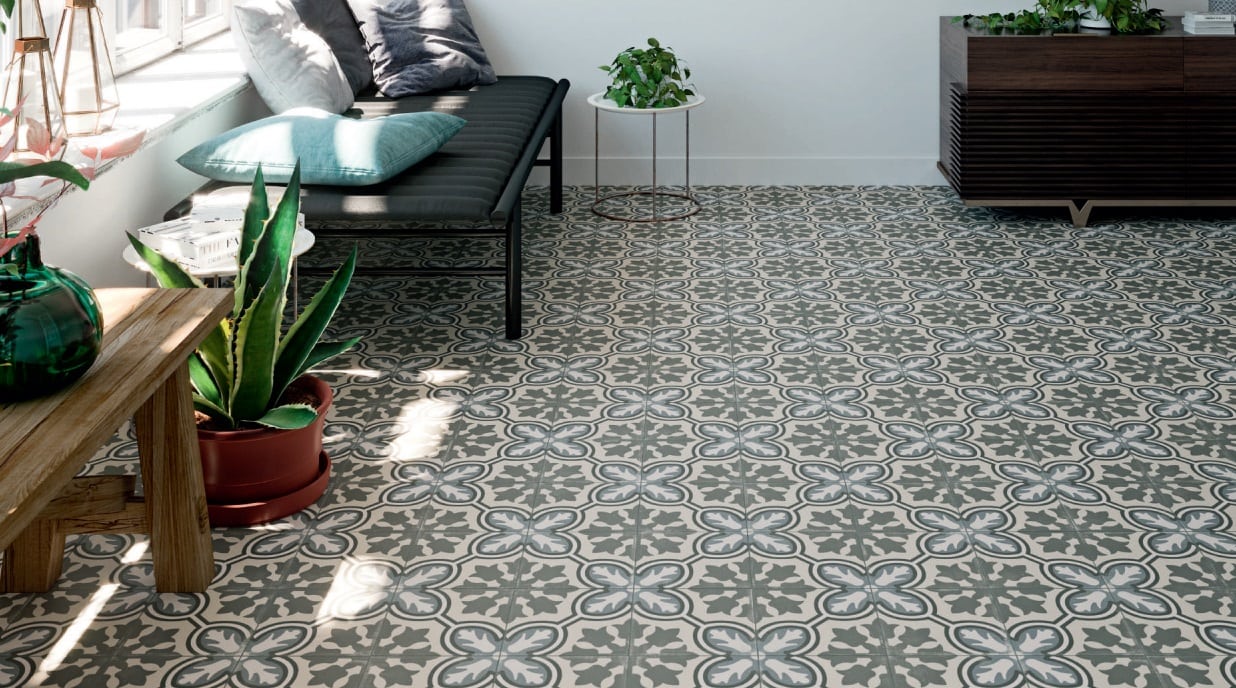
Choosing between encaustic cement tile and ceramic tile can significantly impact your home’s aesthetic and functionality. The choice involves considering factors like durability, maintenance, and design variety. Below, we’ll break down these aspects to help you make an informed decision.
Investing in the right tile can elevate your living space, complement your interior design, and potentially increase property value. In this article, we’ll explore the differences to guide your decision effectively.
Encaustic Cement Tile vs Ceramic Tile Comparison
The primary difference between encaustic cement tiles and ceramic tiles is their composition. Encaustic cement tiles are sturdy, made from a mixture of cement and natural pigments, offering natural slip resistance. In contrast, ceramic tiles are typically made from clay fired at high temperatures, providing a glazed finish.
Encaustic tiles are renowned for their vibrant colors, which are not just surface glazed but deeply embedded, ensuring they don’t fade over time. Conversely, ceramic tiles might experience surface wear, especially in high-traffic areas. According to several home improvement experts, encaustic tiles are often chosen for their unique, time-tested designs.
When deciding, consider the style that aligns with your home’s decor. For elegant and long-lasting colors, encaustic cement tile is superior. However, if you prefer glossy finishes and a wide range of patterns, ceramic tiles might be more suitable.
Durability and Maintenance of Encaustic and Ceramic Tiles
Durability is a major consideration when selecting between the two types of tiles. Encaustic tiles have a thicker composition, making them highly durable and long-lasting. They require sealing upon installation to protect against stains and water.
Ceramic tiles are known for their resilience against scratches and moisture, making them popular for kitchens and bathrooms. However, they can chip if heavy objects fall on them. According to industry professionals, both types require routine cleaning for maintaining their appearance.
To minimize maintenance, ensure encaustic tiles are sealed properly to prevent staining and retain their vibrant look over time. Regular mopping with mild soap will keep both encaustic and ceramic tiles in pristine condition.
Design and Aesthetic Differences in Encaustic and Ceramic Tiles
When it comes to design, encaustic tiles offer rich, artistic patterns that can become the focal point of any room. Patterns are often reminiscent of vintage styles, giving spaces an elegant, timeless appearance.
Ceramic tiles, on the other hand, offer a broader range of designs, including modern, minimalistic styles and numerous color options. Their glossy or matte finishes can complement various interior themes. According to design experts on current trends, ceramic tiles are excellent for a contemporary vibe.
For a bold statement, encaustic tiles are preferred, especially in areas like entryways or feature walls. If you seek versatility and a more traditional look, ceramic tiles might be the better option.
Cost and Installation Considerations for Encaustic vs Ceramic Tiles
Cost is an essential factor in deciding between encaustic and ceramic tiles. Encaustic tiles generally tend to be more expensive due to their intricate manufacturing process and craftsmanship. This cost often reflects their custom, artisanal designs.
Ceramic tiles are typically less costly and easier to install, given their standardized production. They offer a budget-friendly choice, especially for larger projects or renovations. However, the variety in design can also influence price variations.
When budgeting, consider not only the initial cost but also the potential for added installation expenses. Encaustic tiles might require specialized installation techniques, which could increase labor costs. Plan accordingly to ensure the chosen tile fits within your project’s financial scope.
Overall, deciding between encaustic cement and ceramic tiles involves weighing factors like durability, design preferences, and budget. Each type has distinct advantages, so aligning these qualities with your specific needs will ensure a satisfying, long-term investment.